عالم الفضاء والمجرات 🌠

عالم الفضاء حظي الفضاء الخارجي باهتمام الإنسان منذ الأزل، وبقي كذلك حتّى تمكن الإنسان من الوصول إليه وكشف بعض خفاياه، وذلك من خلال إرسال البعثات الفضائية إليه، حيث تتنافس العديد من الدول على غزو الفضاء الخارجي والكشف عن مكنوناته، وعلى الرغم من المعلومات الهائلة والغريبة التي تمّ كشفها عن هذا العالم المجهول، إلّا أنّه لا زال يخفي العديد من الأسرار.
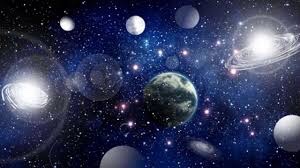
الطقس في الفضاء يشهد كوكب عطارد تغيرات سريعة في درجة الحرارة والتي تنحصر ما بين 480 درجة و180 درجة تحت الصفر، أمّا كوكب الزهرة فيعرف بدرجات حرارته العالية جداً، كما يمتاز بالضغط الساحق، فضلاً عن مطره المكون من حامض الكبريتيك، كما تتساقط الثلوج بانتظام على المناطق الشمالية لكوكب المريخ، ويعتبر كوكب زحل الأكثر تميزاً حيث يشهد هذا الكوكب تساقط أكثر من 100 طن من الألماس عليه بشكلٍ سنوي.

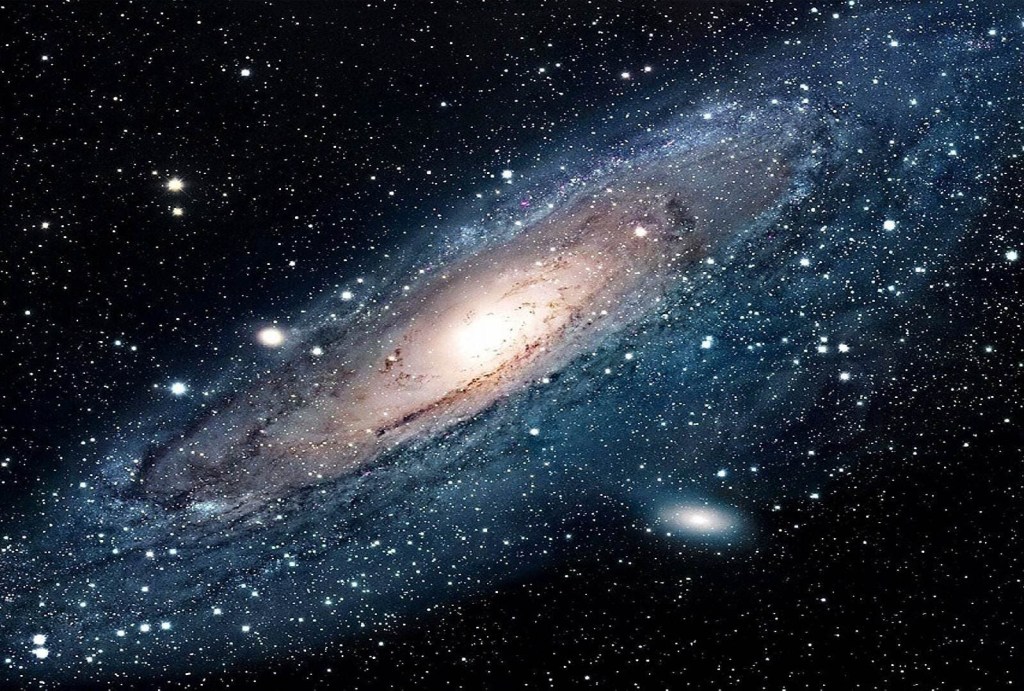
ما هي المجرة كوكب الأرض هو أحد الكواكب التي تنتمي إلى المجموعة الشمسية، والمجموعة الشمسية بحد ذاتها بما تحتويه من نجوم وكواكب هي جزء مما يسمى مجرة، وبذلك يصبح تعريف المجرة أوضح، إذاً فالمجرة عبارة عن تجمعات ضخمة من النجوم، والكواكب، والمجموعات الشمسية، بالإضافة إلى الغبار، والغازات ترتبط مع بعضها بواسطة الجاذبية.[١]
المجرات

ظاهرة دوبلر ظاهرة دوبلر أو تأثير دوبلر Doppler Effect هي سلسلة من التغيرات الظاهرية التي تطرأ على الترددات أو الأطوال الموجية الخاصة بالأمواج عند رصدها بواسطة مراقب متحرك بالنسبة للمصدر الموجي، وتعود سبب تسميته إلى الفيزيائي النمساوي دوبلر عام 1842م.

ظاهرة دوبلر

قانون ظاهرة دوبلر رياضياً تُصاغ نظرية دوبلر رياضياً وفقا لقانونين أساسييّن؛ فالقانون الأول ينص على أن الزمن الدوري أو زمن اهتزازة واحدة فقط تساوي مقلوب التردد؛ ويعبر عنه على النحو الآتي: T=1/f أما فيما يتعلق بالقانون الثاني؛ فينص على وجود علاقة ارتباط تجمع بين سرعة انتشار الموجات C والتردد F والطول الموجي L، وتعتبر العلاقة عكسية مع الفرضية السابقة

إزاحة دوبلر: تُستخدم هذه التقنية عندما يكون النجم والكوكب يدوران حول مركزٍ مُشترك، ممّا يؤدّي إلى تباينٍ دوريّ في السرعة المدارية للنجوم، وتتطلّب هذه التقنية إجراء تحليل طيفيّ دقيق، وتمتاز بأنّها قادرة على استكشاف الكواكب الكبيرة والقريبة.

Introduce Yourself (Example Post)

This is an example post, originally published as part of Blogging University. Enroll in one of our ten programs, and start your blog right.

You’re going to publish a post today. Don’t worry about how your blog looks. Don’t worry if you haven’t given it a name yet, or you’re feeling overwhelmed. Just click the “New Post” button, and tell us why you’re here.

Why do this?

  • Because it gives new readers context. What are you about? Why should they read your blog?
  • Because it will help you focus your own ideas about your blog and what you’d like to do with it.

The post can be short or long, a personal intro to your life or a bloggy mission statement, a manifesto for the future or a simple outline of your the types of things you hope to publish.

To help you get started, here are a few questions:

  • Why are you blogging publicly, rather than keeping a personal journal?
  • What topics do you think you’ll write about?
  • Who would you love to connect with via your blog?
  • If you blog successfully throughout the next year, what would you hope to have accomplished?

You’re not locked into any of this; one of the wonderful things about blogs is how they constantly evolve as we learn, grow, and interact with one another — but it’s good to know where and why you started, and articulating your goals may just give you a few other post ideas.

Can’t think how to get started? Just write the first thing that pops into your head. Anne Lamott, author of a book on writing we love, says that you need to give yourself permission to write a “crappy first draft”. Anne makes a great point — just start writing, and worry about editing it later.

When you’re ready to publish, give your post three to five tags that describe your blog’s focus — writing, photography, fiction, parenting, food, cars, movies, sports, whatever. These tags will help others who care about your topics find you in the Reader. Make sure one of the tags is “zerotohero,” so other new bloggers can find you, too.

Introduce Yourself (Example Post)

This is an example post, originally published as part of Blogging University. Enroll in one of our ten programs, and start your blog right.

You’re going to publish a post today. Don’t worry about how your blog looks. Don’t worry if you haven’t given it a name yet, or you’re feeling overwhelmed. Just click the “New Post” button, and tell us why you’re here.

Why do this?

  • Because it gives new readers context. What are you about? Why should they read your blog?
  • Because it will help you focus your own ideas about your blog and what you’d like to do with it.

The post can be short or long, a personal intro to your life or a bloggy mission statement, a manifesto for the future or a simple outline of your the types of things you hope to publish.

To help you get started, here are a few questions:

  • Why are you blogging publicly, rather than keeping a personal journal?
  • What topics do you think you’ll write about?
  • Who would you love to connect with via your blog?
  • If you blog successfully throughout the next year, what would you hope to have accomplished?

You’re not locked into any of this; one of the wonderful things about blogs is how they constantly evolve as we learn, grow, and interact with one another — but it’s good to know where and why you started, and articulating your goals may just give you a few other post ideas.

Can’t think how to get started? Just write the first thing that pops into your head. Anne Lamott, author of a book on writing we love, says that you need to give yourself permission to write a “crappy first draft”. Anne makes a great point — just start writing, and worry about editing it later.

When you’re ready to publish, give your post three to five tags that describe your blog’s focus — writing, photography, fiction, parenting, food, cars, movies, sports, whatever. These tags will help others who care about your topics find you in the Reader. Make sure one of the tags is “zerotohero,” so other new bloggers can find you, too.

Introduce Yourself (Example Post)

This is an example post, originally published as part of Blogging University. Enroll in one of our ten programs, and start your blog right.

You’re going to publish a post today. Don’t worry about how your blog looks. Don’t worry if you haven’t given it a name yet, or you’re feeling overwhelmed. Just click the “New Post” button, and tell us why you’re here.

Why do this?

  • Because it gives new readers context. What are you about? Why should they read your blog?
  • Because it will help you focus your own ideas about your blog and what you’d like to do with it.

The post can be short or long, a personal intro to your life or a bloggy mission statement, a manifesto for the future or a simple outline of your the types of things you hope to publish.

To help you get started, here are a few questions:

  • Why are you blogging publicly, rather than keeping a personal journal?
  • What topics do you think you’ll write about?
  • Who would you love to connect with via your blog?
  • If you blog successfully throughout the next year, what would you hope to have accomplished?

You’re not locked into any of this; one of the wonderful things about blogs is how they constantly evolve as we learn, grow, and interact with one another — but it’s good to know where and why you started, and articulating your goals may just give you a few other post ideas.

Can’t think how to get started? Just write the first thing that pops into your head. Anne Lamott, author of a book on writing we love, says that you need to give yourself permission to write a “crappy first draft”. Anne makes a great point — just start writing, and worry about editing it later.

When you’re ready to publish, give your post three to five tags that describe your blog’s focus — writing, photography, fiction, parenting, food, cars, movies, sports, whatever. These tags will help others who care about your topics find you in the Reader. Make sure one of the tags is “zerotohero,” so other new bloggers can find you, too.